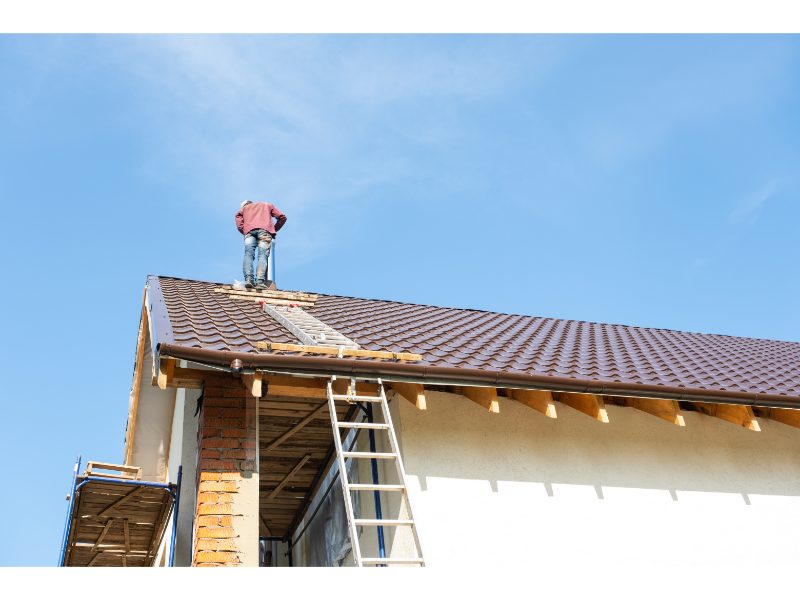
Birmingham's severe storm seasons, aging housing stock, and intense summer heat create a unique set of roofing demands. Here's how often you should be scheduling professional roof inspections — and what to look for between visits.
If you own a home in Birmingham, Alabama — whether in the established neighborhoods of Homewood and Mountain Brook, the newer subdivisions of Hoover and Trussville, or the historic streets of Avondale and Crestwood — your roof faces a specific and demanding set of conditions that most national roofing guides simply do not account for. Birmingham's climate is defined by hot, humid summers with intense UV exposure, an active spring severe weather season that brings hail-producing supercell thunderstorms, and the occasional tornado that can cause catastrophic damage across entire neighborhoods in a matter of minutes.
The question of how often to inspect a roof in Birmingham is not a simple one-size-fits-all answer. It depends on the age of your home, the type of roofing material installed, how much tree canopy surrounds your property, and how recently your area has experienced significant storm activity. What is consistent across all Birmingham-area homes, however, is that annual professional inspections are the minimum standard — and for many properties, twice-yearly inspections are the more appropriate approach.
This article walks through the specific factors that determine inspection frequency for Birmingham homes, what a professional inspection covers, what homeowners can monitor between professional visits, and how Birmingham's unique weather patterns — including the April storm season that has produced some of the most destructive tornado outbreaks in Alabama history — should inform your roofing maintenance schedule.
Why Birmingham's Climate Demands More Frequent Roof Inspections
Birmingham sits in Jefferson County at the southern end of the Appalachian foothills, in a climate zone that combines the heat and humidity of the Deep South with the severe weather exposure of the broader Alabama corridor. The city receives an average of 54 inches of rainfall per year — significantly above the national average — and the distribution of that rainfall is not uniform. Spring and early summer bring the most intense precipitation events, including the severe thunderstorm complexes that produce large hail and damaging straight-line winds across communities from Bessemer in the west to Trussville in the east.
The April 2011 tornado outbreak remains the benchmark event in Birmingham's recent history, causing catastrophic damage across Jefferson and Shelby counties. But the region has experienced multiple significant hail events in subsequent years, with storms producing golf ball-sized hail across neighborhoods including Vestavia Hills, Irondale, and the Cahaba Heights area. Each of these events creates roofing damage that may not be immediately visible from the ground but that accelerates the deterioration of shingles, flashing, and gutters if left unaddressed.
Beyond storm damage, Birmingham's summer heat creates thermal cycling stress on roofing materials. Daytime temperatures regularly exceed 90°F from June through September, and roof surface temperatures can reach 150°F or higher on dark-colored shingles. This thermal expansion and contraction, repeated daily over months, stresses the adhesive strips on shingles, the sealant around pipe boots and flashing, and the fasteners holding metal components in place. Over time, this cycling is a primary driver of the small failures that allow water infiltration.
The Standard Inspection Schedule for Birmingham Homes
For most Birmingham homeowners, the baseline recommendation is one professional roof inspection per year. The optimal timing is late fall — October or November — after the primary spring and summer storm season has concluded and before winter temperatures make roofing work more complicated. A fall inspection allows identification and documentation of any storm damage that occurred during the season, and repairs can typically be completed before the holiday period.
However, several factors justify moving to a twice-yearly inspection schedule. Homes in Homewood, Mountain Brook, Bluff Park, and other heavily wooded neighborhoods experience higher rates of debris accumulation on the roof surface and in gutters. Wet leaves and organic debris retain moisture against shingle surfaces, accelerating granule loss and creating conditions favorable for moss and algae growth. A spring inspection in these neighborhoods — after leaf fall has been cleared — allows assessment of any organic growth and debris-related damage before the summer heat season.
Older homes also warrant more frequent inspection. Birmingham has a significant inventory of housing stock built between the 1940s and 1970s in neighborhoods including Edgewood, Rosedale, Crestwood, and the areas surrounding Lakeview. These homes may have original or early-replacement roofing systems that are approaching or have exceeded their design service life. Annual inspection is the minimum for these properties; twice-yearly inspection is more appropriate for homes where the roofing system is more than 20 years old.
After any significant storm event — hail, high winds, or tornado activity — schedule an inspection regardless of where you are in your annual cycle. Storm damage that goes unaddressed for months can lead to interior water damage that is far more costly to repair than the original roofing issue.
What a Professional Roof Inspection Covers in Birmingham
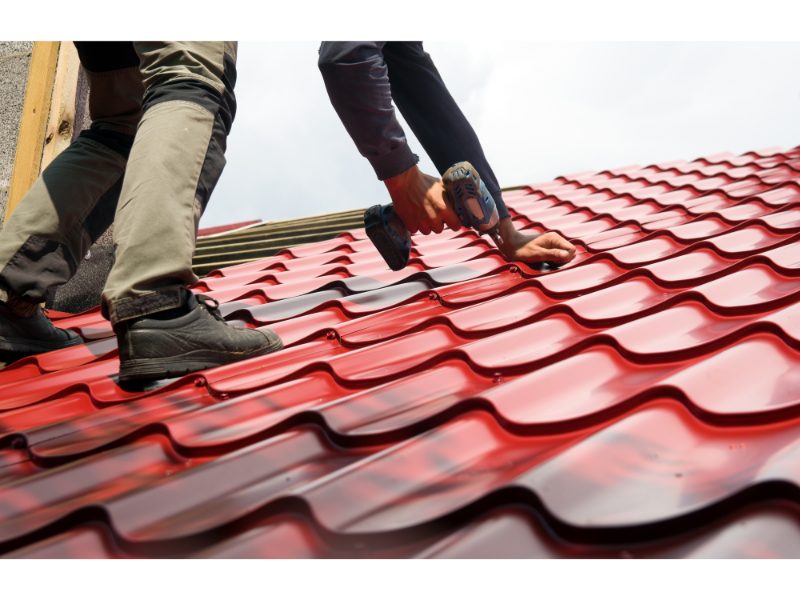
A professional roof inspection in Birmingham is not simply a visual check from the ground. A trained inspector will access the roof surface to examine the condition of roofing materials at close range, check all penetrations and flashing details, assess gutter attachment and drainage, and evaluate the condition of soffit, fascia, and any visible attic ventilation components. The inspection should also include an attic check when accessible, looking for signs of water infiltration, inadequate ventilation, or insulation issues that affect the roof system's performance.
For asphalt shingle roofs — the dominant roofing type across Birmingham's residential neighborhoods — the inspection focuses on granule retention, shingle adhesion, the condition of the starter course and ridge cap, and the integrity of all flashing. Granule loss is a key indicator of shingle age and hail damage; significant granule loss in gutters and downspout splash areas is often the first visible sign that a shingle system is approaching the end of its service life or has sustained hail damage.
Flashing inspection is particularly important for Birmingham's older housing stock. Chimneys on homes in Mountain Brook's English Village, Vestavia Hills, and the older sections of Homewood often have original brick construction with galvanized or lead flashing that has corroded or separated over decades. Step flashing along dormers and sidewalls is another common failure point, particularly on the complex rooflines found in Birmingham's mid-century residential architecture.
What Homeowners Can Monitor Between Professional Inspections
Between professional inspections, Birmingham homeowners can perform basic monitoring that helps identify issues before they become serious. From the ground, look for missing or visibly damaged shingles, sagging areas along the ridge or eave line, and any debris accumulation that suggests a drainage problem. After storm events, check gutters and downspout splash areas for an unusual volume of shingle granules — this is a reliable indicator of hail impact or advanced shingle wear.
Inside the home, water stains on ceilings or in attic spaces are the most direct indicator of a roofing failure. However, by the time interior water staining appears, the leak has typically been ongoing for some time and has already caused damage to roof decking, insulation, and potentially structural framing. This is why professional inspection — which can identify the small failures before they become active leaks — is so valuable.
- Check gutters after storms for shingle granules — a sign of hail impact or advanced wear
- Look for missing or lifted shingles from the ground after high-wind events
- Monitor attic spaces for any signs of moisture, staining, or daylight penetration
- Inspect soffit and fascia for paint peeling or wood rot, which can indicate gutter overflow
- After heavy rain, check ceilings in upper floors and attic for any new staining
Inspection Frequency by Roof Age and Material
The age and material of your roofing system is the most direct factor in determining inspection frequency. Standard three-tab asphalt shingles, which were the dominant residential roofing product through the 1990s and are still found on many Birmingham-area homes, have a design life of 15 to 20 years. Homes with three-tab shingles that are more than 15 years old should be inspected annually at minimum, with the inspector specifically assessing remaining service life and the condition of the underlayment.
Architectural (dimensional) asphalt shingles, which became the standard product in the 2000s and are found on most homes built or re-roofed since that period, carry design lives of 25 to 30 years. These systems still warrant annual inspection, but the urgency of replacement planning typically begins around the 20-year mark. Metal roofing systems — standing seam and exposed fastener panels — have longer service lives of 40 to 70 years but require inspection of fastener tightness, sealant condition, and panel seam integrity on an annual basis.
For Birmingham's smaller inventory of slate and tile roofing, found primarily in Mountain Brook and older sections of Vestavia Hills, inspection should focus on cracked, slipped, or missing individual pieces, the condition of the flashing system, and the integrity of the underlayment beneath the tiles. Slate and tile systems can last generations with proper maintenance, but individual piece failures that allow water infiltration can cause disproportionate damage to the underlying structure if not addressed promptly.
The Role of Storm Season in Birmingham's Inspection Calendar
Birmingham's spring severe weather season — roughly March through May — is the highest-risk period for roofing damage across the metro area. This is the period when the atmospheric conditions that produce supercell thunderstorms, large hail, and tornadoes are most favorable. Communities across Jefferson and Shelby counties, from Gardendale in the north to Alabaster in the south, have experienced significant roofing damage during spring storm events in recent years.
The practical implication for Birmingham homeowners is that the period immediately following the spring storm season — late May through July — is an important time to schedule an inspection if you have not already done so. Insurance carriers typically have time limits for filing storm damage claims, and identifying hail or wind damage promptly allows you to initiate the claims process within those windows. A professional inspection with documented photographs provides the evidence base that insurance adjusters require.
Birmingham also experiences a secondary storm season in late summer and early fall, when tropical moisture from Gulf systems can produce heavy rainfall and wind events. While these events are generally less likely to produce the large hail associated with spring supercells, they can cause wind damage and accelerate existing vulnerabilities. A fall inspection that follows both the spring and late-summer storm seasons provides the most complete picture of your roof's condition.
Inspection After Specific Events: When to Call Immediately
Certain events should trigger an immediate inspection call regardless of where you are in your annual schedule. Any tornado warning or confirmed tornado activity in your area warrants a post-event inspection, even if your home appears undamaged. Tornado-related pressure changes can lift and re-seat shingles in ways that are not visible from the ground but that have compromised the seal between shingles. Hail events producing stones larger than three-quarters of an inch — roughly the size of a dime — are large enough to cause impact damage to standard architectural shingles.
Sustained winds above 60 mph can lift shingles, particularly at the eaves and rakes where wind uplift forces are greatest. Birmingham's older neighborhoods, where mature trees create additional wind load on roofing surfaces through branch contact and debris impact, are particularly vulnerable during high-wind events. If you notice shingle debris in your yard or on neighboring properties after a storm, schedule an inspection promptly.