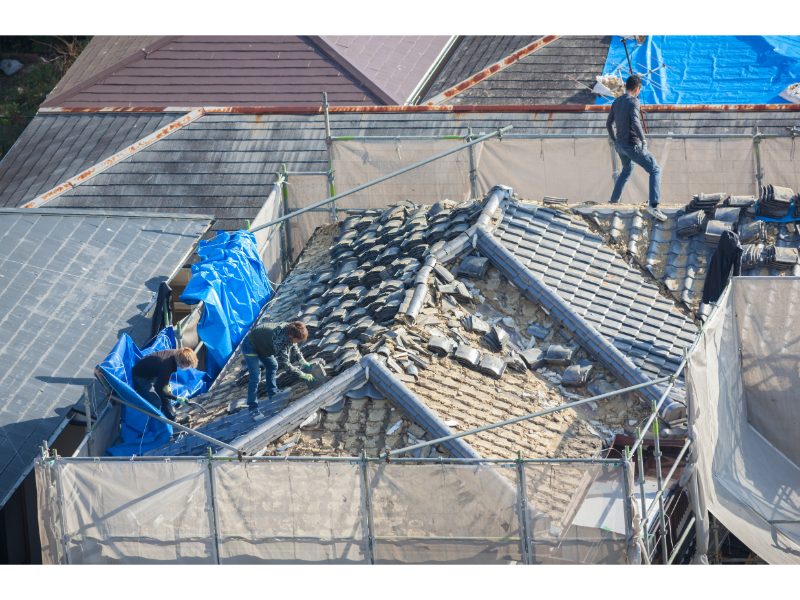
Birmingham's spring storm season produces some of the most damaging hail and wind events in the Southeast. Here's exactly what to do when your roof takes a hit — from initial assessment through insurance documentation to repair.
Birmingham, Alabama sits in one of the most active severe weather corridors in the United States. The greater metro area — spanning communities from Gardendale and Fultondale in the north to Pelham and Alabaster in the south, and from Bessemer in the west to Trussville and Irondale in the east — experiences multiple significant storm events each year that produce the conditions most damaging to residential roofing: large hail, high straight-line winds, and the occasional tornado that can cause catastrophic damage across entire neighborhoods.
The April 2011 tornado outbreak remains the defining storm event in Birmingham's recent history, but the region has experienced dozens of significant hail and wind events in the years since. Storms producing golf ball-sized hail — 1.75 inches in diameter — have struck communities across Jefferson and Shelby counties, and the cumulative effect of these events on the region's housing stock is significant. Understanding what storm damage looks like, how to document it effectively, and how to navigate the insurance claims process is essential knowledge for any Birmingham homeowner.
This guide walks through the complete storm damage response process for Birmingham homeowners — from the immediate post-storm assessment through insurance documentation, the repair or replacement decision, and the selection of a qualified contractor. It also addresses the specific types of damage that Birmingham's storm patterns produce and the roofing repairs they require.
Understanding Birmingham's Storm Damage Patterns
Birmingham's severe weather season peaks in spring, roughly from March through May, when the atmospheric conditions that produce supercell thunderstorms are most favorable. These storms can produce hail ranging from pea-sized to baseball-sized, with the larger stones capable of fracturing shingles, denting metal components, and causing structural damage to skylights and roof-mounted equipment. The direction of hail fall — which varies with wind direction during each storm — determines which roof surfaces sustain the most damage; north-facing slopes may be undamaged while south-facing slopes on the same home sustain significant impact.
Wind damage in Birmingham typically results from straight-line winds associated with severe thunderstorm cells, rather than from tornadoes. Sustained winds above 60 mph can lift shingles at the eaves and rakes, where wind uplift forces are greatest. The adhesive strips on asphalt shingles — which bond the overlapping courses together — can fail under sustained wind loading, particularly on older shingles where the adhesive has dried and lost flexibility. Once shingles are lifted, subsequent wind events can remove them entirely, exposing the underlayment and deck to direct water infiltration.
Birmingham also experiences secondary storm activity in late summer and early fall, when tropical moisture from Gulf systems moves inland and produces heavy rainfall events. While these events are less likely to produce the large hail associated with spring supercells, they can cause significant wind damage and reveal existing vulnerabilities in roofing systems that were compromised by earlier storm events but not yet repaired.
Identifying Hail Damage on Birmingham Roofs
Hail damage to asphalt shingles is characterized by impact marks that dislodge granules from the shingle surface, leaving a dark, circular bruise where the underlying asphalt mat is exposed. These impact marks are typically not visible from the ground — they require a professional inspection with close-range examination of the shingle surface. The size, density, and distribution of impact marks provides information about the size of the hailstones and the intensity of the event.
From the ground, secondary indicators of hail damage include dented gutters and downspouts, damaged window screens, dented metal ridge vents and pipe boot caps, and an unusual volume of shingle granules in gutters and downspout splash areas. If you notice these indicators after a storm event, schedule a professional inspection promptly. Many insurance policies have reporting windows, and delayed inspection can complicate the claims process.
Important: Hail damage that is not immediately repaired accelerates shingle deterioration. The exposed asphalt mat at impact sites is vulnerable to UV degradation, and granule loss continues to spread from the initial impact points. A roof that sustains hail damage and is not repaired within a season may require full replacement rather than repair by the following year.
Documenting Storm Damage for Insurance Claims
Effective documentation is the foundation of a successful storm damage insurance claim in Birmingham. The documentation process begins immediately after the storm event, before any repairs are made. Photograph all visible damage from the ground — missing shingles, damaged gutters, dented metal components, and any interior water staining that has developed. Note the date and time of the storm event and preserve any weather service reports or local news coverage that documents the storm's occurrence and intensity.
A professional roof inspection provides the detailed documentation that insurance adjusters require. A thorough inspection report should include photographs of impact marks on shingles, measurements of the affected area, documentation of secondary damage indicators, and an assessment of whether the damage warrants repair or full replacement. This report forms the basis of your claim and provides the evidence base for discussions with your insurance adjuster.
When the insurance adjuster visits your property, having a professional roofing contractor present can be valuable. Adjusters are not always roofing specialists, and a contractor who works in Birmingham every day can point out damage patterns that may not be immediately apparent to someone unfamiliar with the specific characteristics of hail damage on architectural shingles. This is not adversarial — it is simply ensuring that all damage is properly identified and documented.
The Repair vs. Replacement Decision After Storm Damage
After a storm damage event in Birmingham, the decision between repair and full replacement depends on several factors: the extent of the damage, the age of the roofing system, and the condition of the underlying components. Localized damage on a relatively young roof — a section of missing shingles on a 10-year-old architectural shingle system, for example — is typically a repair situation. Widespread hail damage across the entire roof surface on a 20-year-old shingle system is typically a replacement situation.
Insurance policy provisions also affect this decision. Replacement cost value policies cover the full cost of replacement regardless of the roof's age, making replacement the appropriate response to widespread damage. Actual cash value policies reduce the payment by the depreciation of the roofing system, which can make replacement less financially accessible for homeowners with older roofs. Understanding your policy's provisions before a storm event occurs allows you to make informed decisions about coverage and to plan accordingly.
Emergency Tarping and Temporary Repairs
When storm damage creates active water infiltration — through missing shingles, damaged flashing, or structural damage — emergency tarping is the immediate priority. A properly installed tarp prevents further water infiltration while permanent repairs are planned and scheduled. Emergency tarping should be performed by a professional, both for safety reasons and to ensure that the tarp is installed in a way that provides effective protection without causing additional damage to the roofing system.
Document the emergency tarping with photographs before and after installation. Most insurance policies cover reasonable emergency repair costs, and this documentation supports your claim. Keep all receipts for emergency repair work. Do not allow emergency tarping to substitute for permanent repairs — tarps are a temporary measure and will not provide adequate protection through Birmingham's storm seasons.
Selecting a Contractor for Storm Damage Repair in Birmingham
After a major storm event in Birmingham, the region attracts out-of-area contractors who follow storm damage patterns across the Southeast. While some of these contractors are legitimate, the post-storm environment also brings fraudulent operators who take deposits and disappear, perform substandard work, or engage in insurance fraud schemes. The most reliable protection is working with an established local contractor who has a verifiable track record in the Birmingham metro area.
Ask for references from recent projects in your neighborhood or community. Verify that the contractor is familiar with Birmingham's permit requirements — roof replacement in most Jefferson and Shelby County municipalities requires a building permit, and a contractor who suggests skipping the permit process is a warning sign. Get multiple written proposals that specify the scope of work, materials to be used, and project timeline before making a decision.