Metal roofing is growing rapidly in Birmingham's residential market — and for good reason. Here's what homeowners across Jefferson and Shelby counties need to know about materials, performance, and local installation.
Metal roofing has been the dominant commercial roofing material in Birmingham for decades, but its adoption in the residential market has accelerated significantly over the past ten years. Across neighborhoods from Mountain Brook and Vestavia Hills to the newer developments in Hoover's Trace Crossings and Ross Bridge communities, standing seam metal roofing is increasingly visible on single-family homes — and the reasons are compelling. Birmingham's specific climate conditions make metal roofing a particularly strong performer compared to the asphalt shingles that dominate the region's existing housing stock.
This guide is written for Birmingham homeowners who are considering metal roofing for a replacement project or new construction, and who want to understand the specific performance characteristics, material options, installation considerations, and cost factors that apply to the Birmingham metro area. The information here draws on the specific conditions of Jefferson and Shelby counties — the storm patterns, temperature extremes, humidity levels, and housing types that define roofing performance in this market.
Metal Roofing Types Available in Birmingham
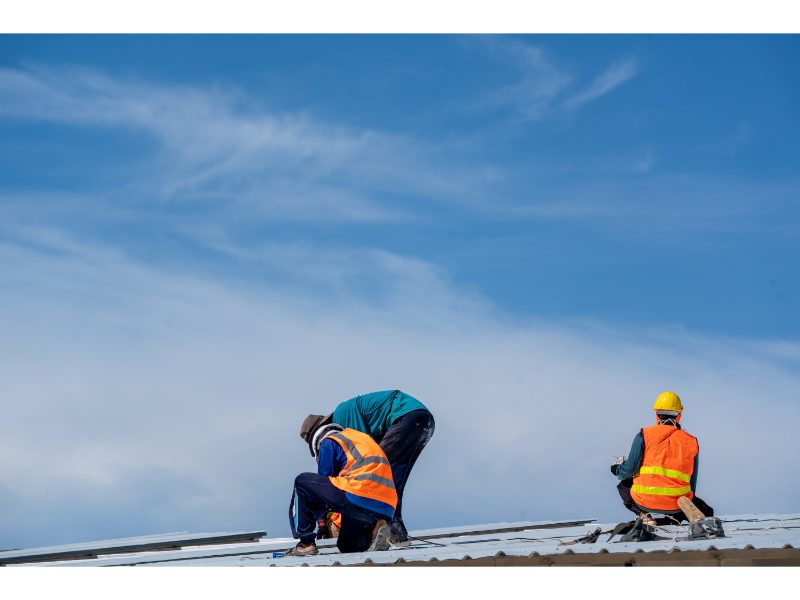
The two primary metal roofing systems used in Birmingham's residential market are standing seam and exposed-fastener panels. Standing seam roofing features concealed fasteners — the metal panels interlock along raised seams, and the fasteners are hidden beneath the seam caps. This concealed fastener design eliminates the primary failure point of metal roofing: the rubber washers on exposed fasteners that eventually deteriorate and allow water infiltration. Standing seam systems are the premium choice for residential applications and are the system most commonly specified for Mountain Brook, Vestavia Hills, and other higher-end Birmingham communities.
Exposed-fastener panels — sometimes called corrugated or R-panel metal roofing — are a more economical option that is commonly used on agricultural buildings, commercial structures, and some residential applications. These systems use screws with rubber washers driven through the face of the panel to attach to the roof structure. The rubber washers provide a watertight seal initially, but they deteriorate over time due to UV exposure and thermal cycling, eventually allowing water infiltration at the fastener locations. Exposed-fastener systems have a shorter effective service life than standing seam and require more maintenance.
Metal roofing is available in steel, aluminum, copper, and zinc. Steel is the most common material for residential applications in Birmingham, typically with a Galvalume (zinc-aluminum alloy) coating and a painted finish using a Kynar 500 or Hylar 5000 fluoropolymer coating system. These coatings provide excellent UV resistance and color retention in Birmingham's intense summer sun. Aluminum is lighter than steel and naturally corrosion-resistant, making it a good choice for applications where weight is a concern. Copper and zinc are premium materials used primarily for architectural accent applications.
Storm Performance: Why Metal Roofing Excels in Birmingham
Birmingham's active storm season is perhaps the strongest argument for metal roofing in this market. Standing seam metal roofing is rated for wind speeds of 120 mph or higher under Florida Building Code testing standards — significantly exceeding the wind resistance of standard architectural asphalt shingles, which are typically rated for 110 mph. In the context of Birmingham's spring severe weather season, which regularly produces straight-line winds exceeding 60 mph and occasionally produces tornado-force winds, this wind resistance advantage is meaningful.
Hail resistance is another significant advantage of metal roofing in Birmingham. Class 4 impact-resistant metal panels — the highest rating under the UL 2218 standard — can withstand hailstones up to 2 inches in diameter without sustaining damage that compromises the roof's integrity. Standard architectural asphalt shingles, even those marketed as impact-resistant, sustain granule loss and impact fractures from hailstones in this size range. After the multiple significant hail events that have affected Birmingham communities in recent years, homeowners who have invested in metal roofing have consistently avoided the repair and replacement costs that their neighbors with asphalt shingle roofs have faced.
Energy Performance in Birmingham's Hot Summers
Birmingham's summer climate — with daytime temperatures regularly exceeding 90°F from June through September and high humidity that makes the heat feel more intense — creates significant cooling loads for residential buildings. Roof surface temperature is a major driver of attic heat gain, which in turn drives air conditioning demand. Dark asphalt shingles can reach surface temperatures of 150°F or higher on a Birmingham summer afternoon; this heat transfers through the roof deck into the attic space, increasing the load on the home's cooling system.
Cool metal roofing products with high solar reflectance values can reduce roof surface temperatures by 50 to 60°F compared to dark asphalt shingles. This reduction in surface temperature translates directly into reduced attic temperatures and lower cooling loads. The energy savings from cool metal roofing in Birmingham's climate can be significant — studies of similar climate zones have documented cooling energy reductions of 10 to 25 percent for homes with reflective metal roofing compared to dark asphalt shingles. Over the 40- to 70-year service life of a standing seam metal roof, these energy savings represent a meaningful component of the total cost of ownership.
Installation Considerations for Birmingham Homes
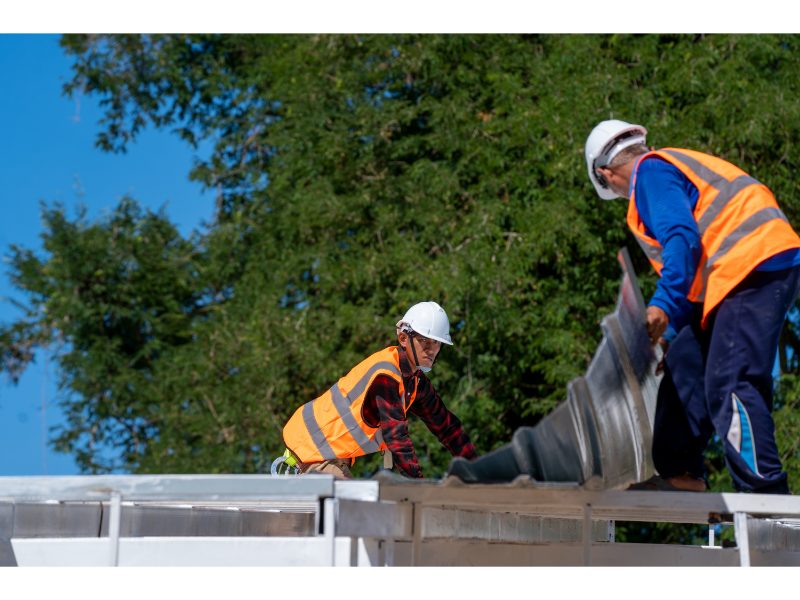
Metal roofing installation in Birmingham requires attention to several factors specific to the local climate and housing stock. Thermal expansion is a primary consideration: metal panels expand and contract significantly with temperature changes, and the installation system must accommodate this movement without creating stress on fasteners, seams, or the roof structure. Standing seam systems are designed with floating clip systems that allow panels to move independently of the fasteners, accommodating thermal movement without compromising the roof's integrity.
Birmingham's high annual rainfall — 54 inches per year on average — makes proper drainage design critical for metal roofing installations. Panel profiles, valley configurations, and gutter sizing must be appropriate for the roof's drainage area and the intensity of Birmingham's storm events. Inadequate drainage capacity can result in water backing up under panel laps or into valley flashings during heavy rainfall events.
For Birmingham's older housing stock — particularly the mid-century homes in Homewood, Mountain Brook, and the Southside neighborhoods — metal roofing installation may require structural assessment to ensure that the existing framing can support the installation. While metal roofing is lighter than tile or slate, the installation of a new metal roof over existing shingles adds weight, and the existing framing must be evaluated for adequacy.
Maintenance Requirements for Metal Roofing in Birmingham
One of the most frequently cited advantages of metal roofing is its low maintenance requirements compared to asphalt shingles. Standing seam metal roofing does not require the annual granule loss assessment, shingle adhesion checks, or replacement of individual damaged pieces that characterize asphalt shingle maintenance. However, metal roofing is not maintenance-free, and Birmingham's specific conditions create several maintenance considerations that homeowners should be aware of.
Annual inspection of sealants at penetrations, panel ends, and trim details is important for standing seam systems. While the panel seams themselves are designed to be maintenance-free, the sealants used at pipe boots, ridge caps, and wall flashings are subject to UV degradation and thermal cycling. These sealants typically have a service life of 10 to 15 years and should be inspected and replaced as needed. Gutter maintenance is also important for metal roofing — the smooth surface of metal panels sheds water rapidly, and gutters must be kept clear to handle the volume of water that flows off a metal roof during Birmingham's storm events.